
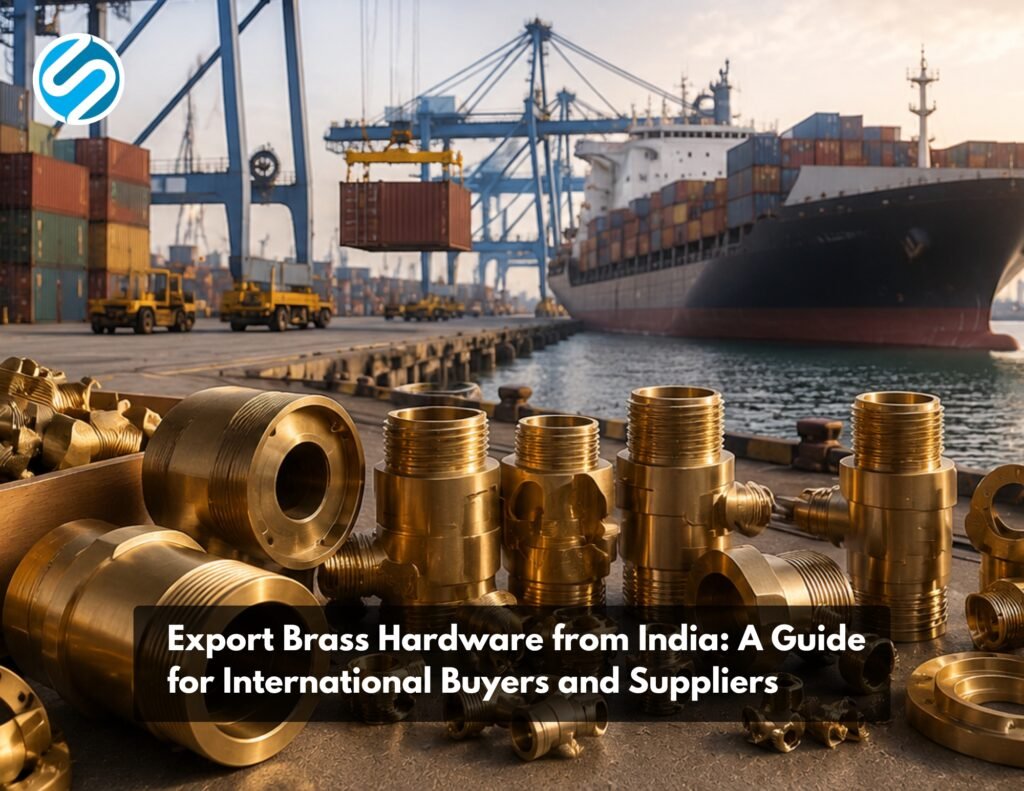
Indian brass has been showing up in shipping containers headed to Europe, North America, and the Middle East for years now, and export brass hardware is one of the categories driving that trade. Furniture fittings, industrial fasteners, and plumbing parts—brass covers a lot of ground, and buyers keep coming back to Indian manufacturers for the same reasons: solid quality, fair pricing, and delivery timelines they can actually plan around. This guide covers what both sides of that deal need to know.
Why India Leads in Brass Hardware Manufacturing
India didn’t become a brass powerhouse overnight. It took generations of skilled workers and factories built specifically around this metal. Gujarat produces a big chunk of the country’s brass output, with infrastructure set up for exactly this kind of export-scale production.
Jamnagar’s Role in Global Brass Supply
Ask anyone in the trade and they’ll point you to Jamnagar—the city has earned its nickname, the Brass City of India. Its factories handle casting, forging, and finishing at a level that makes brass hardware export from Jamnagar a well-worn trade route rather than a new one.
Suppliers here turn out a wide range of Brass Hardware Parts, everything from decorative fittings to structural fasteners, built to specs that international buyers actually check.
Understanding Export Brass Hardware from India
Before you place an order, it helps to know how Export brass hardware actually moves from the factory floor to your warehouse.
Manufacturers usually work either through direct export or established trading houses. Either route, you’ll want to verify certifications, minimum order quantities, and lead times before signing anything.
Every shipment needs the right paperwork too—commercial invoices, packing lists, and certificates of origin. Skip a document and customs will hold your goods hostage for days.
Common Product Categories
Here’s what Indian brass hardware manufacturers typically produce:
- Brass hinges and door fittings
- Brass screws, bolts, and nuts
- Decorative cabinet and furniture hardware
- Brass inserts and threaded fittings
- Electrical and plumbing hardware components
- Custom-machined brass parts for OEM buyers
Export Brass Hardware Nuts and Bolts: A Growing Category
Construction, automotive, and electrical buyers keep driving up demand for export brass hardware nuts and bolts, and it’s not hard to see why. Corrosion resistance and reliable conductivity beat cheaper alternatives every time when it actually matters.
Bulk buyers often want custom thread sizes, coatings, or packaging. Most manufacturers can handle these requests without pushing lead times back much.
Brass Hardware HSN Code for Export: What Buyers Need to Know
Get the classification wrong and you’ll feel it at customs. Knowing the brass hardware hsn code for export ahead of time saves everyone the headache of delayed shipments and duty disputes.
Most brass hardware falls under the 74 series, covering copper and copper-alloy articles. But the exact code can shift depending on the specific product, so confirm with your supplier or a customs consultant before anything ships.
Suppliers who list the brass hardware hsn code for export directly on their invoices make the whole process move faster—it’s a small thing that saves real time.
How to Choose a Reliable Brass Hardware Export Partner
Price comparisons only tell you so much. Finding the right partner for brass hardware export takes a closer look.
A few things worth checking:
- Factory certifications (ISO, quality testing reports)
- Whether they’ll send samples before you commit to a bulk order
- Straight answers on lead times and MOQs, not vague estimates
- Packaging that’s actually built for international shipping, not just a local delivery box with extra tape
- Pricing that includes freight and duty costs upfront, not tacked on later
Some of the more established names, ranked among the top Brass Exporters in India, also take on custom work for buyers who come in with specific technical drawings.
Quality Standards and Compliance
Buyers in the EU and North America often want RoHS or REACH compliance on brass hardware export from jamnagar shipments, along with material test certificates. Don’t assume your supplier has these ready. Ask before you order, not after the shipment’s already on a boat.
Good suppliers check quality at every stage, from raw material inspection through final packaging. That consistency matters more once your order sizes grow.
A supplier who documents their process well tends to earn repeat business. Trust builds slowly in this trade, and paperwork is part of how it happens.
Practical Tips for International Buyers
A few things that make the whole process smoother:
- Get samples before committing to a bulk order.
- Nail down the HSN classification in your purchase agreement.
- Ask directly about MOQs and price breaks
- Sort out payment terms early—LC, advance,or milestone-based
- Pick suppliers who already know your destination country’s import rules.
Buyers with specific drawings or industry standards can also look into Custom Components built to exact specifications.
Working with someone experienced in export brass hardware cuts down on the surprises that tend to show up during customs clearance.
Why Buyers Choose Export Brass Hardware from India
Cost, skilled labor, and decades of manufacturing know-how—that combination is hard to beat. It’s a big part of why export brass hardware from India stays competitive globally.
Flexible order sizes and a wide product catalog don’t hurt either. Buyers who try it once tend to come back.
Common Challenges and How to Avoid Them
Knowing these issues ahead of time helps buyers go into export brass hardware sourcing with eyes open instead of learning the hard way.
Quality can slip across large batches sometimes. Customs paperwork gets delayed. Manufacturers with real experience in export brass hardware nuts and bolts tend to avoid these problems more consistently than newer players.
Written specifications and regular quality checks during production go a long way toward heading off expensive misunderstandings later.
The Future of Brass Hardware Export from Jamnagar
Nobody’s expecting demand for durable, well-made materials to drop off anytime soon. If anything, it’s the opposite. And brass hardware export from jamnagar is riding that wave—factories are modernizing, shipping routes are getting faster and more predictable, and the whole export machine is running smoother than it did even five years ago.
Conclusion
Sourcing export brass hardware from India comes down to a mix of quality, cost, and manufacturing experience that’s hard to find elsewhere at this price point. Check the classification requirements, vet your supplier properly, and start with a trial order before committing to anything large. That’s how you build a supply chain that actually holds up.Standard fittings or custom export brass hardware nuts and bolts—either way India’s brass manufacturing hubs are set up to deliver.
FAQs
Q1. What types of brass hardware does India commonly export?
A: Mostly hinges, screws, bolts, decorative fittings, and custom-machined parts, spread across a bunch of different industries.
Q2. Why is Jamnagar known for brass manufacturing?
A: It comes down to generations of skilled workers and factories built specifically for large-scale production, which is why it’s grown into one of the biggest brass hubs in the world.
Q3. How do I find the correct customs classification for brass products?
A: Ask your supplier for the brass hardware hsn code for export directly on the invoice, or run it by a customs specialist to make sure you’ve got the right category before anything ships.
Q4. What should I check before choosing a supplier?
A: Look at factory certifications, whether samples are on offer, how clear they are about lead times, and whether their pricing actually includes freight and duties upfront.
Q5. Do international buyers need special compliance certificates?
A: A lot of the time, yes—buyers in the EU and North America usually want RoHS or REACH compliance plus material test certificates before the shipment leaves.