Suraj Brass Industries

Brass Parts

brass density

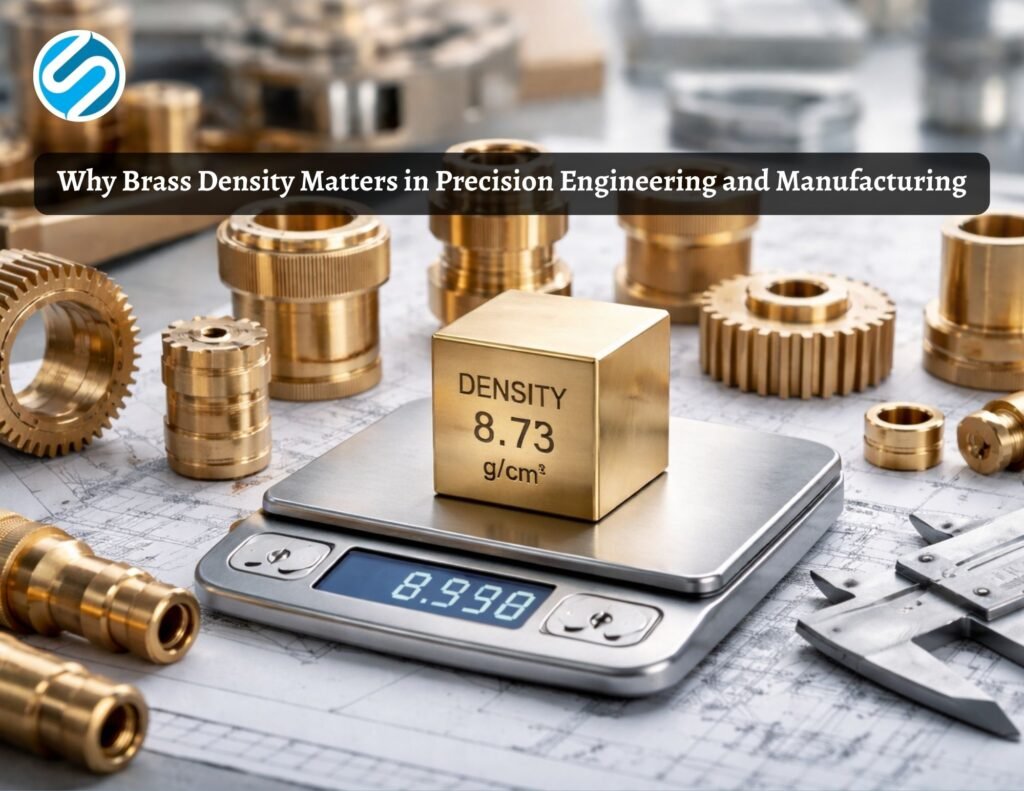
Why Brass Density Matters in Precision Engineering and Manufacturing

The density of brass is 8.4 to 8.7 g/cm3 (8,400 to 8,700 kg/m3) for most grades. Copper-rich red brass reaches about 8.75 g/cm3, while high-zinc grades like naval brass sit near 8.41 g/cm3. For quick weight estimates, 8.5 g/cm3 is the figure most machinists use. Every industry must take into account the efficiency, durability, and […]

Why Brass Density Matters in Precision Engineering and Manufacturing Read More »
manufacturing of brass

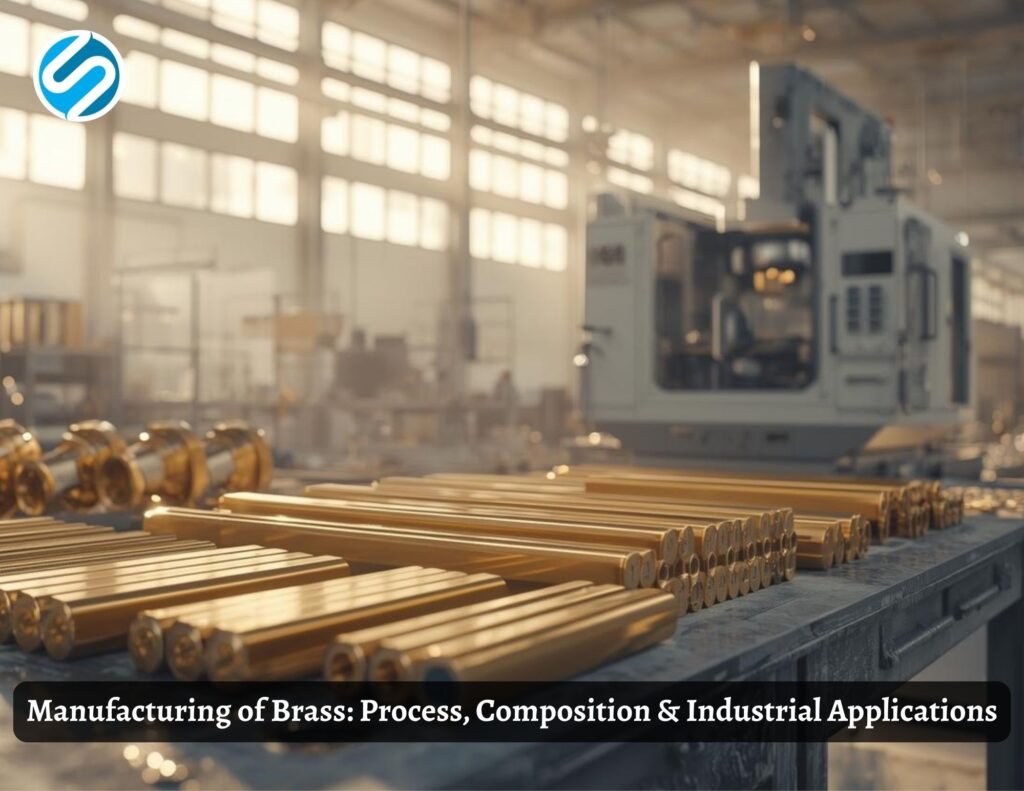
Manufacturing of Brass: Process, Composition & Industrial Applications

Brass is one of the most flexible and commonly utilized metal alloys in the current industry. Manufacturing of brass is essential in electrical, plumbing, automotive, construction and marine engineering. Its corrosion resistance, durability and excellent machinability make brass the alloy of choice for many high-performance components. There is a steady increase in the demand for

Manufacturing of Brass: Process, Composition & Industrial Applications Read More »

brass material

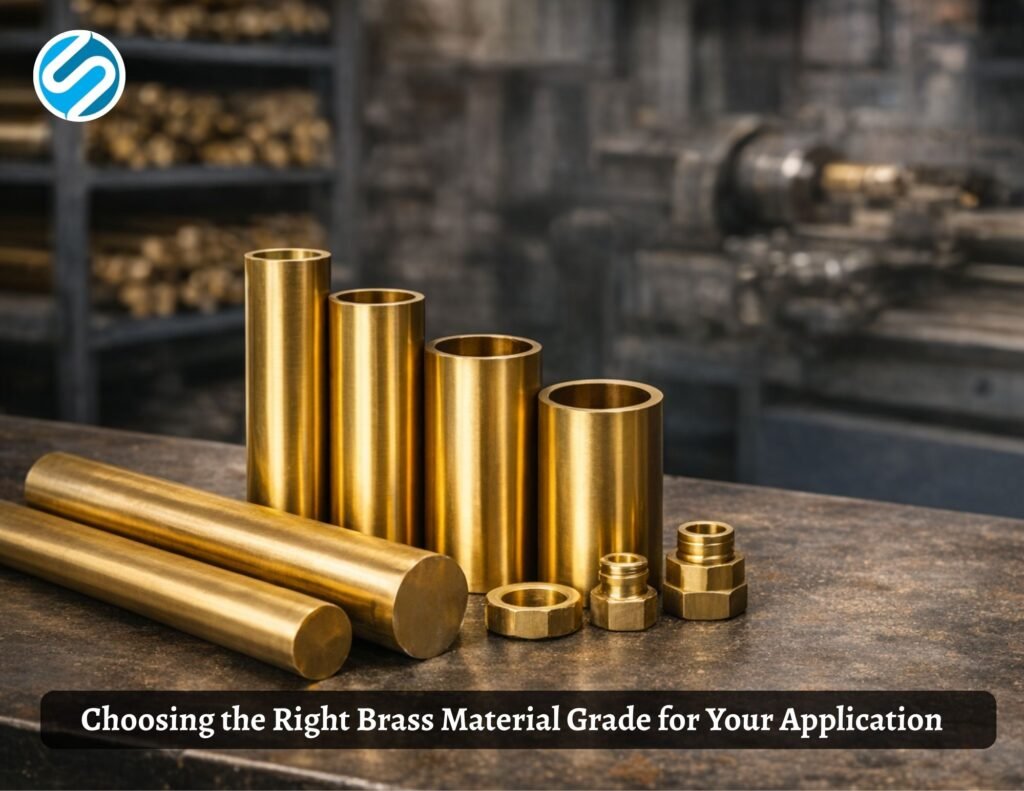
Choosing the Right Brass Material Grade for Your Application

One of the most significant aspects of precision brass manufacturer in jamnagar is choosing the right brass material. Suraj Brass Industries is aware that although the manufacturing of brass may be simple, not every brass alloy operates the same way in every environment. Brass can be distinguished by its corrosion resistance, machinability, and overall durability.

Choosing the Right Brass Material Grade for Your Application Read More »

types of brass

Types of Brass: Composition, Grades, and Common Applications

Brass is a popular alloy because it is strong, doesn’t rust, and is easy to work with. Understanding the types of brass is essential for manufacturers, engineers, and buyers who want the right material for specific applications.  Brass is notably important to modern production in the fields of plumbing, electrical systems, and precision engineering. India

Types of Brass: Composition, Grades, and Common Applications Read More »

Brass Casting

Brass Casting for Industrial Applications: Benefits You Should Know

Brass Casting is an essential part of production processes in today’s manufacturing because it is a precise, dependable, repeatable, and cost-effective way to make industrial components, such as durable and high-performing ones. Today’s industries require materials that can endure a high level of mechanical stress, endure corrosive elements, and keep precise dimensioning throughout a high

Brass Casting for Industrial Applications: Benefits You Should Know Read More »