
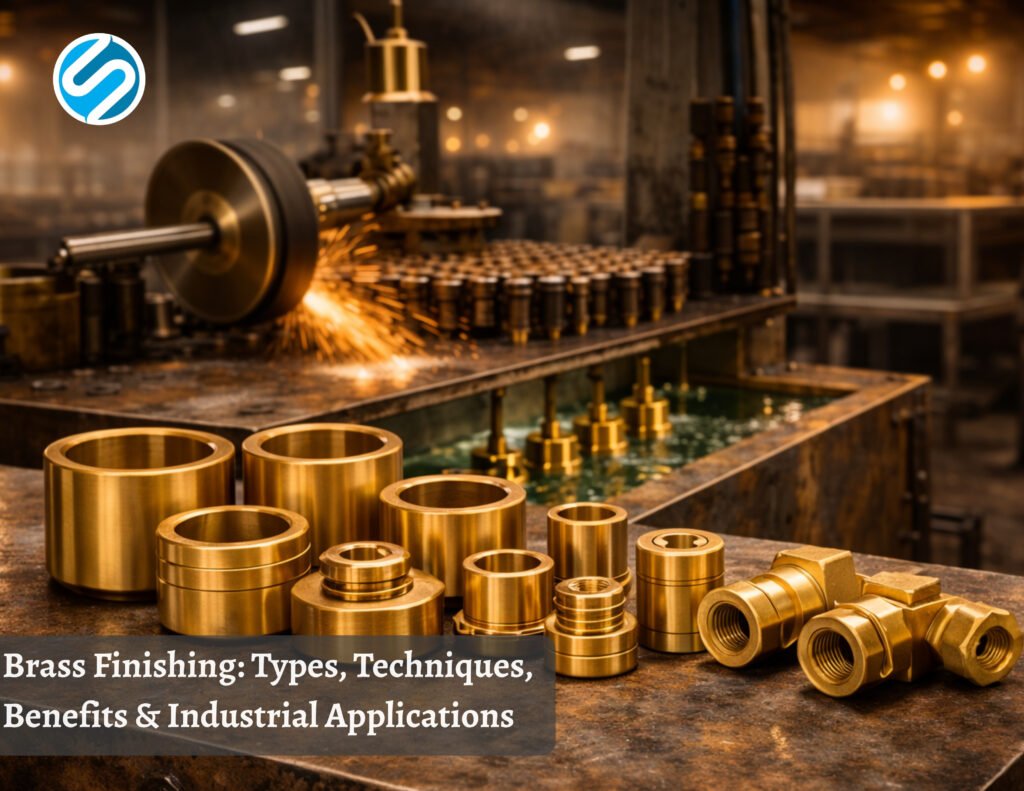
Walk through any well-designed home, and you will notice it immediately: the warm, golden gleam of a door handle, a tap that catches the light just right, or a cabinet pull that looks like it has been there for a century. That is brass finishing at work.
But brass finishing is not just about looking good. In manufacturing, construction, electronics, and dozens of other industries, the way a brass surface is treated determines how long a component lasts, how it performs under pressure, and whether it survives years of daily use. If you work with metal or source components that involve brass, understanding the types, techniques, and real benefits of brass finishing is genuinely useful knowledge.
So, What Exactly Is Brass Finishing?
At its core, brass finishing covers any surface treatment applied to brass or brass plated components to improve their appearance, extend their lifespan, or boost their functional performance. The type of finish chosen depends on the end use: a luxury tap faucet has very different requirements from an electrical connector or a military-grade valve.
Some finishes are purely decorative. Others are engineered for corrosion resistance, hardness, or conductivity. Most do both.
The Main Types of Brass Finishing
There is no single brass finish. Depending on your application, aesthetic goals, and budget, you might choose from several distinct options, each with its own character.
Brushed Brass Finish
Brushed brass finishes are created by mechanically abrading the surface to produce a consistent grain. This finish is practical and modern it is resistant to fingerprints, and minor scratches are less noticeable. This finish beautifully contrasts with wood. concrete, and even matte finishes, which is why it is preferred for bathroom fittings and door hardware.
Antique Brass Finish
Antique brass finishes achieve an aged look through controlled chemical patination. This method darkens the recessed areas to a deep, dark brown while keeping the raised areas a lighter gold color, giving a beautiful contrast and aged appearance while also adding a layer of surface protection. This finish is often seen in decorative furniture hardware, period lighting, and heritage architecture.
Polished Brass Finish
Polished brass is the most visually striking type of finish, as it is high gloss and mirror-like, but it requires a lot of upkeep, as it tarnishes and fingerprints appear quickly! This type of finish is often demanded in high-end retail and luxury fittings as well as musical instruments, as the reflective qualities are the focus of this finish.
Satin Brass Finish
Satin brass offers a middle ground between brushed & polished finishes, as it has a soft ambient sheen that looks more elegant with less glare. It is low is more forgiving in high-traffic areas and therefore very popular for contemporary commercial architecture and high-end hospitality design. Many of these manufacturers meet international standards and export their brass bath fittings. In addition to bath fittings, they also specialize in brass components.
How the Brass Plating Process Works
Not everything that looks like brass is solid brass. In many applications, the brass plating process is used to deposit a thin layer of brass alloy onto a base metal usually steel, zinc, or aluminum. The base metal provides structural strength; the brass layer delivers the appearance, corrosion resistance, and surface properties.
Here is how it works in practice:
- Surface preparation: The base metal is cleaned of contaminants like grease and is blasted with fine sand in a process called sand blasting. If there is any contamination at this stage, adhesion problems will occur, so great care and effort are invested in this step.
- Pre-treatment: A thin strike layer (often copper) is applied first to improve bonding between the base metal and the brass deposit.
- Electrolyte bath: The component is immersed in a solution containing dissolved copper and zinc salts. The ratio of these salts controls the color and composition of the final brass deposit.
- Electrodeposition: A direct electrical current passes through the bath, causing brass to deposit evenly across the component surface. The thickness can be precisely controlled.
- Post-treatment: The plated piece may then be polished, brushed, lacquered, or chemically treated to achieve the desired brass finish.
The process of brass plating allows for mass production of components with a brass finish while keeping production costs low. This is a main reason for the widespread use of the process in consumer goods, automotive components, and industrial parts where solid brass is too expensive or impractical. This is why most businesses located in places that have a high number of brass manufacturers in Jamnagar, such as the USA, Canada and the rest of the countries in the southern hemisphere, look for quality consistency.
Why Brass Finishing Matters: The Real Benefits
It would be easy to think of brass finishing as a cosmetic exercise. It is far more than that.
- Corrosion protection – A properly applied brass finish creates a barrier against moisture, oxygen, and chemicals. This matters enormously in plumbing, marine, and outdoor applications.
- Extended component life – Finished surfaces resist wear better than raw metal. In mechanical assemblies, this translates directly to longer service intervals and lower replacement costs.
- Improved conductivity – In electronics, the brass plating process is used specifically because brass conducts electricity well while also resisting oxidation that would degrade connection quality over time.
- Aesthetic flexibility – Manufacturers can blend finishes to applications without altering the base material, as there are options from antique brass finish to bright polished brass.
- Cost efficiency – Using the brass plating process on cheaper base metals delivers brass performance and aesthetics at a fraction of the cost of solid brass components.
Where You Find Brass Finishing in Industry
Brass finishing shows up across more sectors than most people realize. Here are some of the most important:
Plumbing and Sanitary Ware
Taps, valves, pipe connectors, and pressure fittings are routinely brass-finished. The combination of corrosion resistance and visual appeal makes it a natural choice for both residential and commercial plumbing. Brushed brass finish and polished brass are both standard here.
Electronics and Electrical Components
Brass plating is done on components like terminal blocks, connectors, relay contacts, and other components on circuit boards. Brass is an ideal material at this level because of its excellent conductivity, anti-tarnish properties, and resistance to heat soldering.
Architecture and Interior Design
This is where you see the most visible use of decorative brass finishing. Handrails, balustrades, door handles, lift interiors, window fittings, and light fixtures – brushed brass finish and satin brass are the dominant choices in contemporary commercial and residential projects.
Automotive and Aerospace
Instrument panels, control valves, hydraulic fittings, and decorative trim all see brass finishing. In aerospace, the focus is on precision and durability; in automotive, it is split between functional components and interior aesthetics.
Jewellery and Fashion
The antique brass finish is a staple in jewelry making. Rings, bangles, pendants, and belt buckles all benefit from its warm, aged character. Polished brass is used where impact is the goal. Manufacturers producing High-Precision Brass Products rely on brass for its consistent machining and long service life.
Final Thoughts
Brass finishing is one of those things you notice everywhere once you start looking. The warmth of a well-designed tap, the solidity of a quality door handle, the reliability of a connector that has been in service for years without a hint of corrosion all of that comes down to the finishing choices made early in the manufacturing process.
Whether you are specifying components, designing products, or sourcing materials, understanding what separates a brushed brass finish from an antique brass finish, or knowing when the brass plating process is the smarter call over solid brass, puts you in a much stronger position.
The right brass finish is not just a detail. It is a decision that shapes how a product looks, performs, and lasts.
Need expert brass finishing for your next project? Work with a specialist who understands every finish type and knows which one your application actually needs.